
Hard Truths
There is a Relationship Between Food Intake and Exercise


The Big Read
In my writings, I’ve tried to present frameworks for allowing you to be successful in your own fitness journeys. I’ve received a number of comments about how this has motivated you to eat better and to exercise more, but I also receive a lot of questions about losing weight, toning muscle, eating better and how to consistently make time for fitness. I’ve been especially reluctant to write about food and its relationship to fitness and more specifically, weight loss (or gain, depending on your goals) because I believe that people’s relationship to food is deeply personal and who am I to tell you what to eat or not to eat. But if your goals include exercising more AND losing weight or getting lean, there is in fact, a direct relationship between food and exercise. And so in keeping with my philosophy of not being prescriptive, I’m sharing what I’ve learned about my body and my relationship between food and exercise.
I’ve touched on this before, but I’ve generally always considered myself to be physically active. With that said, I would also characterize my fitness until a few years ago as sporadic, where I would exercise fairly regularly for months and follow that up with months of little to no exercise. I didn’t pay attention to the foods I ate either.
In March of 2019, a friend of mine was looking for a workout partner. I wasn’t in the greatest shape of my life, having just returned from a vacation packed with eating and drinking and so took it as an opportunity to get my shit together. We (he chose for us) decided to go with P90X, as it offered varying workouts that combined strength training, agility, stretching and Yoga. I thought this would be exactly the kick in the pants I needed to get myself back into shape. At the time, I wasn’t particularly concerned with losing weight, but I did want to monitor my progress. For the first 3-4 weeks, I worked out 5 days per week and didn’t change my diet at all. After the first month, I had lost 2 lbs.
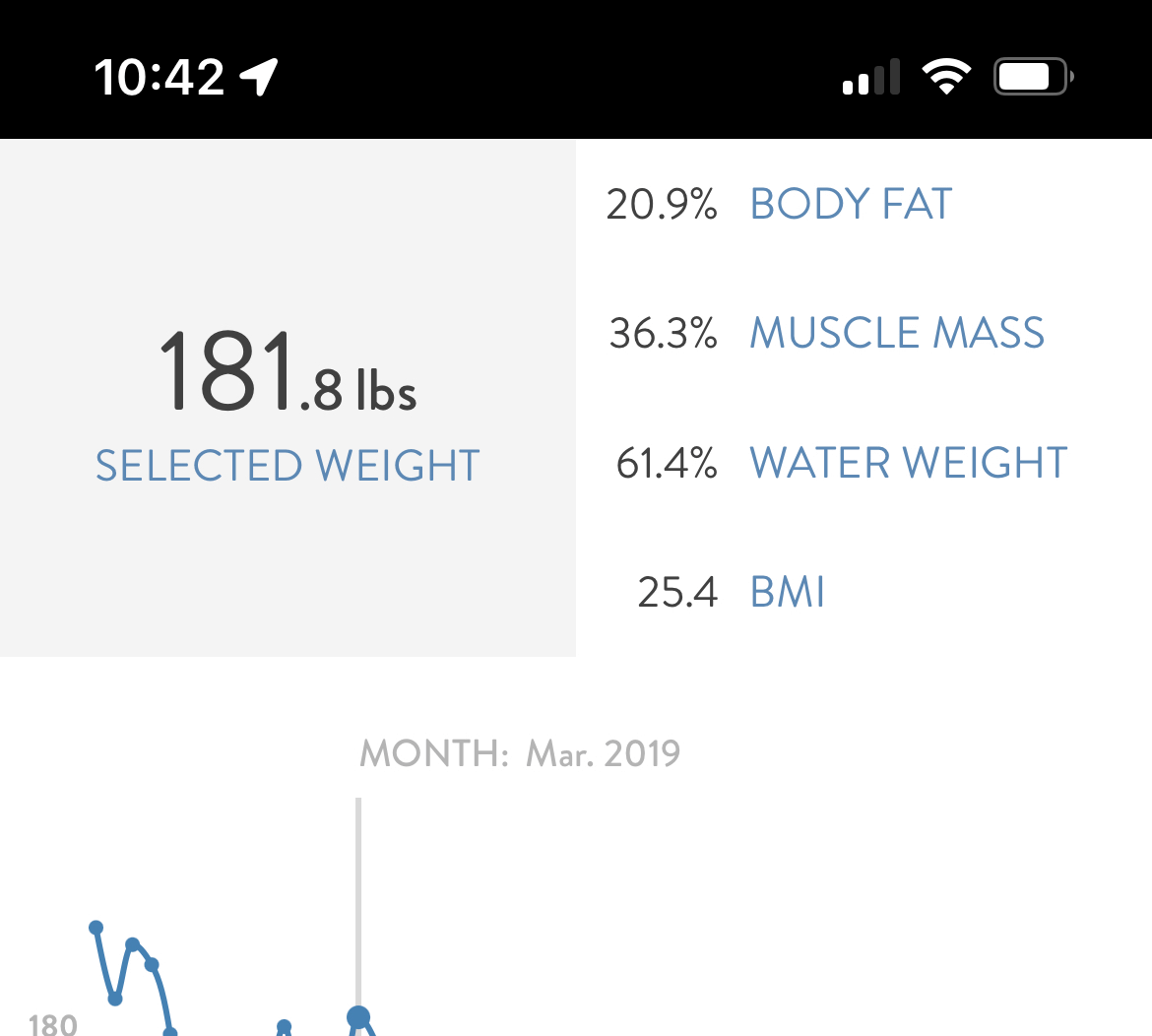
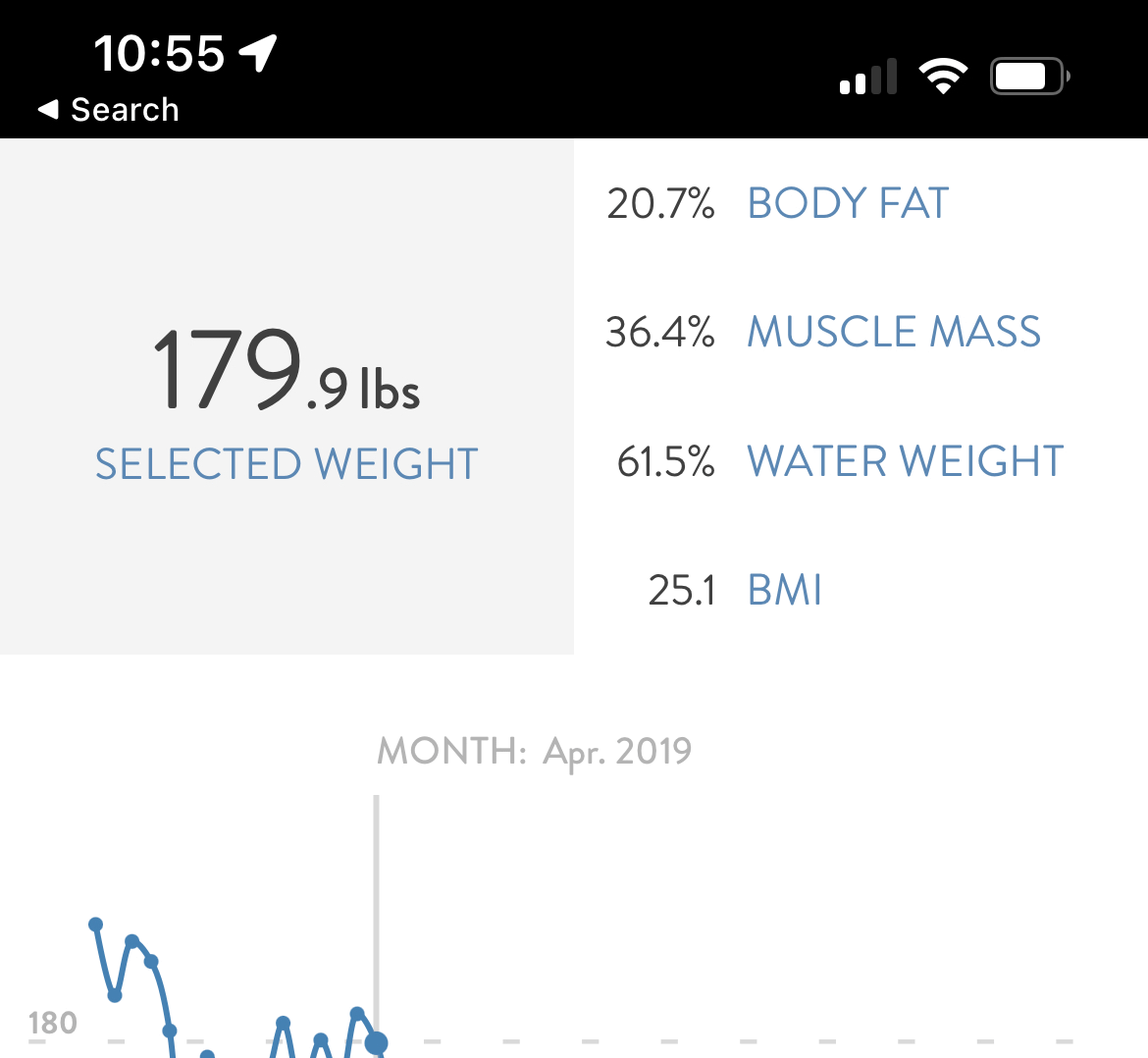
I really had no expectations with regard to weight but I guess I expected more. I mentioned this to my workout partner and he asked what I was eating. At the time, I was probably eating some combination of the following:
Breakfast
Cereal or an English muffin, coffee and perhaps a glass of orange juice
Lunch
1-2 Ham or Turkey sandwiches with American cheese and tomato, chips and a pickle
Dinner
Dinner was typically a protein, vegetable and a starch
Bottom line is that I was consuming a lot of processed foods. Snacks consisted of cheese and crackers with hardly any fruits or vegetables and no “good fats.” Breakfast and lunch was a mix of highly processed foods. And I was consuming one to two drinks almost every night. My workout partner suggested that I cut processed foods out and focus on the macronutrient ratios of carbs, protein and fats. So I changed my diet and for the next 3 months, I monitored my progress. My meals now consisted of the following:
Breakfast
Protein shake (frozen fruit, unsweetened almond milk, peanut butter)
Snack: Banana/Apple/Grapes/Orange and a small serving of almonds or mixed nuts
Lunch:
Grilled chicken or other protein over mixed greens with a ton of vegetables (peppers, carrots, cucumbers, sunflower seeds
Snack: similar to above
Dinner:
Protein and Vegetables
Evening Snack: None
From April to May, I lost a little more than 5 more pounds (total of close to 8 pounds).
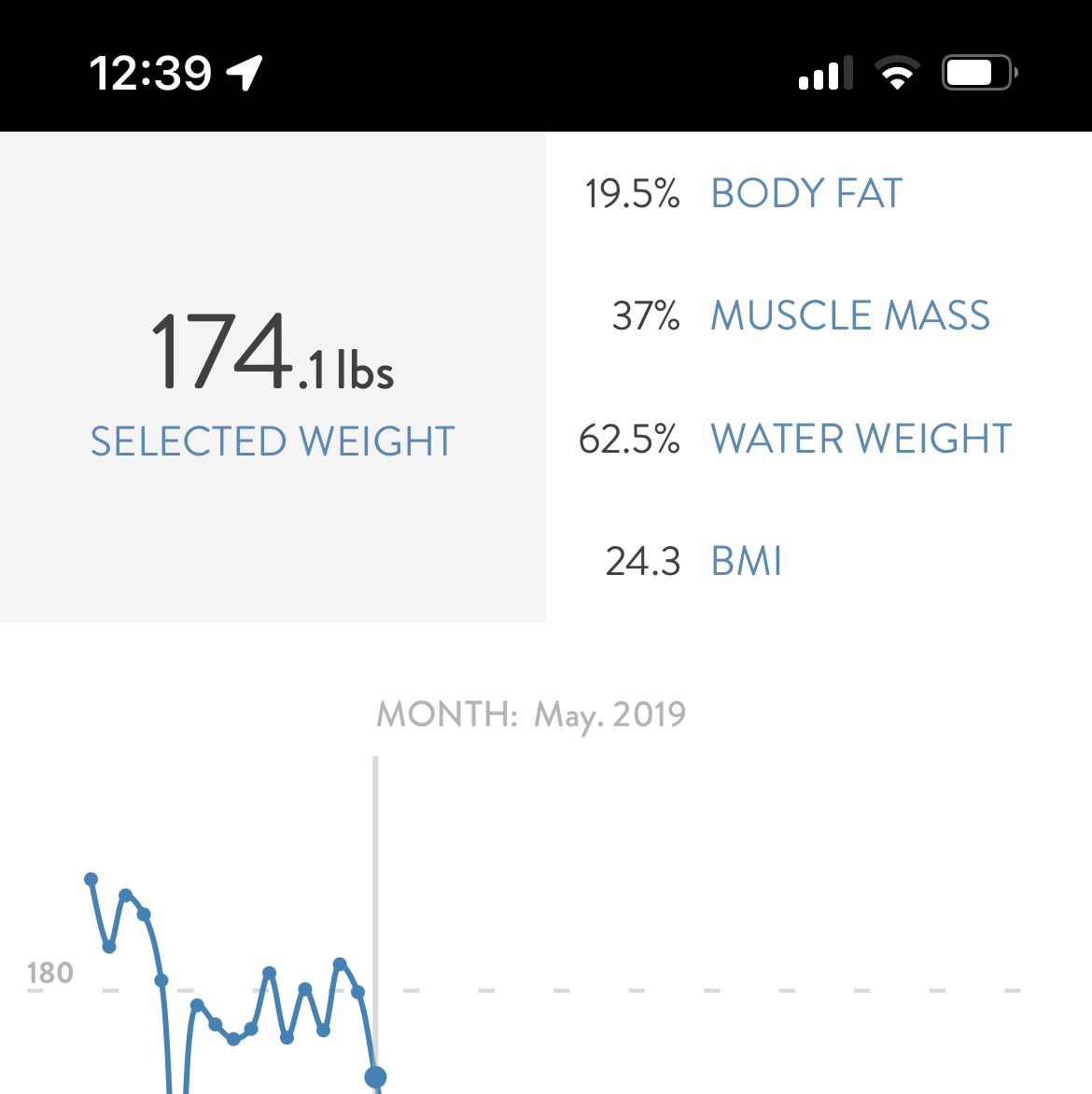
And from May to June, I lost another 6 pounds for a total of 14 pounds.
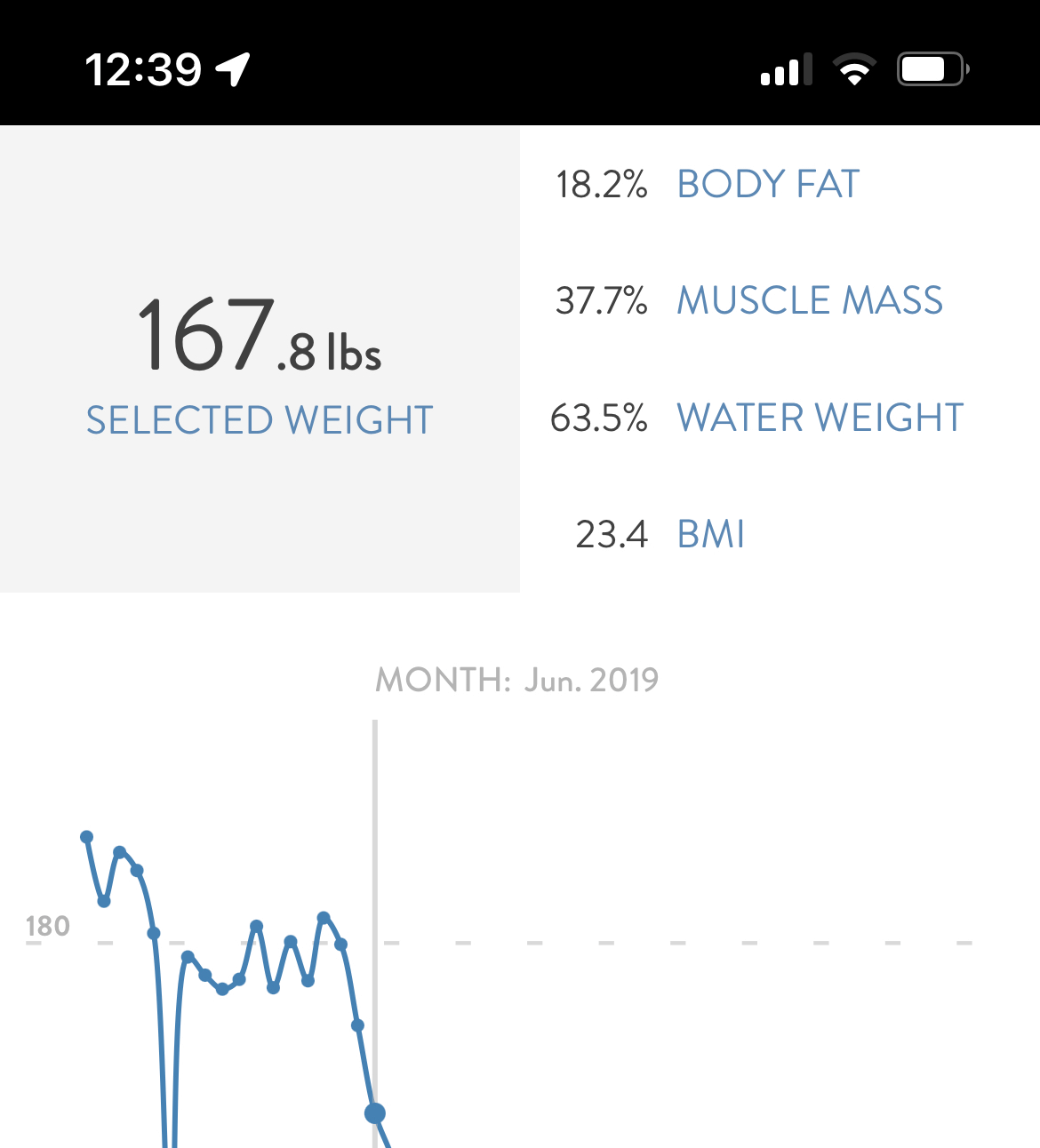
While I stopped doing P90X, I continued to workout (strength and cardio) on my own. I also didn’t strictly adhere to the macronutrient ratios, but I did limit processed foods, continued to consume healthy snacks and continued my protein and carb intake. In November of 2019, I weighed 156 lbs and perhaps more importantly, I felt great. My weight has remained relatively steady for the past 2 plus years, though another recent lifestyle change has led to additional body changes (which I will get into in a future newsletter).
Key Learnings
Exercise and Diet Go Hand In Hand - my goal wasn’t to lose weight, at least at the outset, but I did want to become leaner. I lost some weight without changing my diet and while I have no idea what would have happened if I didn’t change my eating habits, the results suggest that, at the very least, that exercise combined with proper diet can accelerate results.
You Can’t Improve What You Don’t Measure - If you’ve been following me over the past several months, you already know that one of my core beliefs is that you need to measure and track your progress against your goals. In my case, the nutrition side of the equation was new to me so I tracked all of my meals and snacks using My Plate. The app not only tracks your food intake, but also (if you’re using a fitness tracker like Apple Watch) pulls in your activity information, allowing to see your calories burned, calories consumed and whether you are running at a calorie deficit or surplus. Perhaps most importantly, it will automatically track your macronutrient ratios so you can adjust on the fly.
Macronutrient Ratios Are a Good Place to Start - There isn’t any one size fits all approach to eating and I’m not big into diet fads, but following the carb/protein/fat daily suggested ratios is a great place to start. Its fact based, not limiting in terms of what you can and can’t eat and is based in science.